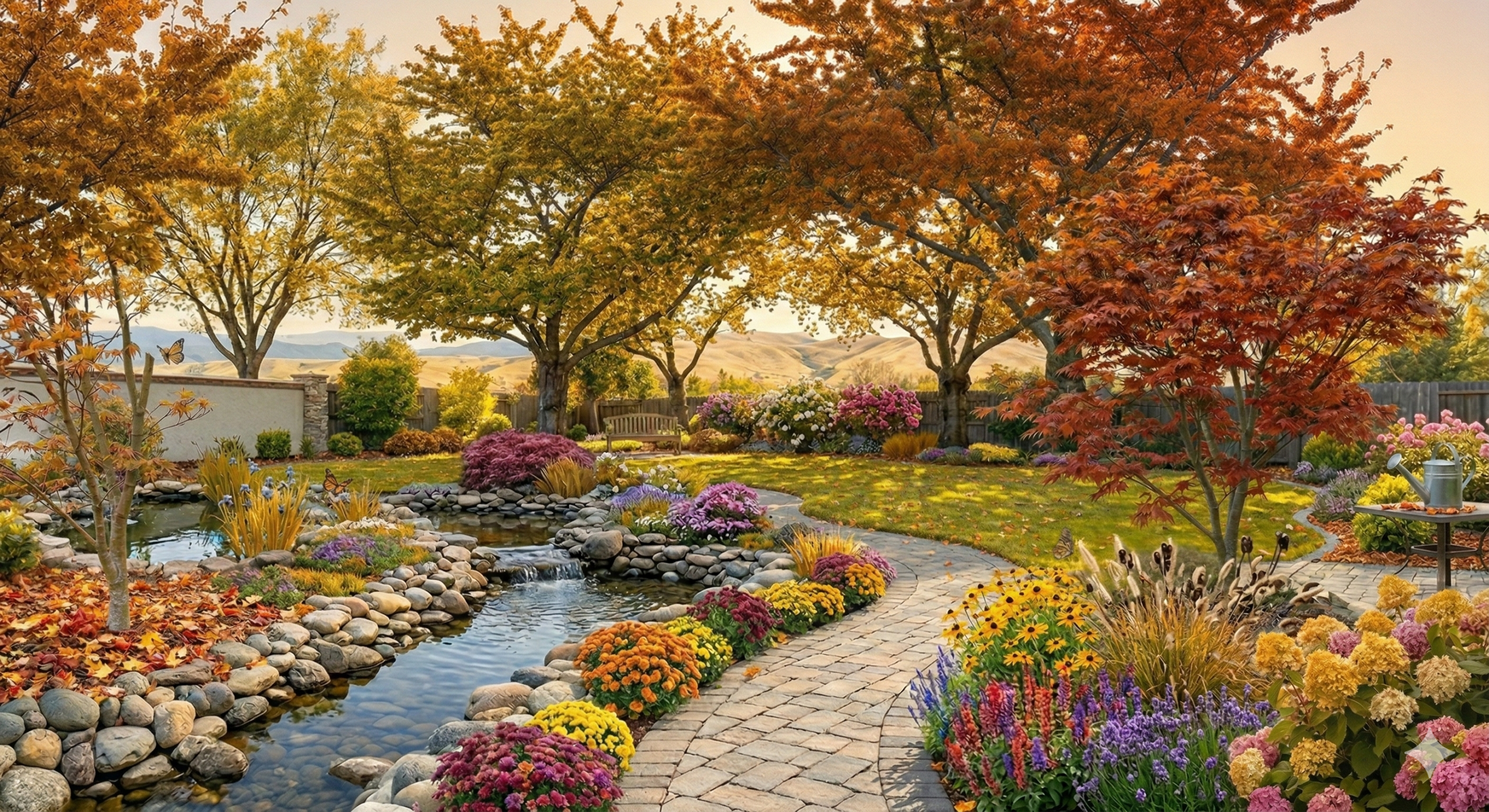
Why Fall Is the Best Time for Landscaping in Fresno
Fresno homeowners know that landscaping in the Central Valley comes with unique challenges. Long, hot summers, dry conditions, intense sunlight, and high water demands can make it difficult for lawns, trees, shrubs, and garden beds to stay healthy. Timing matters. While spring is often associated with fresh growth and outdoor projects, fall is frequently the more strategic season for improving a Fresno landscape.
Fall offers cooler temperatures, lower evaporation, and a longer window for plants to establish before summer returns. It is also an ideal time to care for lawns, improve irrigation, refresh planting beds, correct problem areas, and plan a landscape that will be better prepared for the year ahead. For homeowners who want a yard that looks better, uses water more efficiently, and requires less stress-driven maintenance, fall landscaping is a smart investment.
Cooler Weather Creates Better Working Conditions
Summer landscaping projects in Fresno can be difficult for both people and plants. High temperatures make outdoor work uncomfortable, and newly installed plants can experience immediate stress from heat and dry air. Even with regular watering, a plant that has not developed a strong root system may struggle to adapt.
Fall changes those conditions. Cooler daytime temperatures and milder evenings reduce heat stress, allowing landscaping work to happen under more manageable conditions. Homeowners can spend more time evaluating their yards, making design decisions, and completing projects without racing against extreme weather.
The plants benefit, too. When temperatures are lower, they lose less moisture through their leaves and need less energy simply to survive. That gives them a better opportunity to direct their resources toward root development. A stronger root system is the foundation of a healthier landscape.
Fall Planting Gives Trees and Shrubs a Head Start
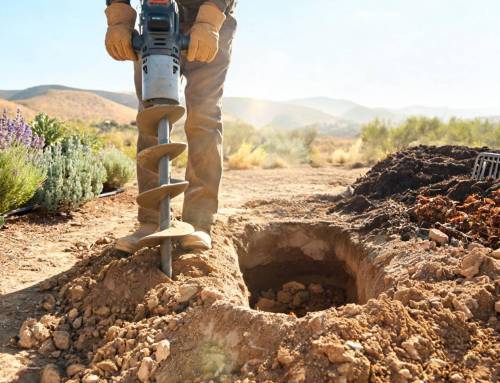
One of the strongest reasons to landscape in fall is the opportunity to plant trees and shrubs at a time that supports root establishment. In Fresno, the biggest test for many landscape plants is surviving the following summer. A tree planted shortly before intense heat arrives has limited time to adapt, develop roots, and become established.
Fall-planted trees and shrubs have several months of milder conditions before summer returns. During that period, their roots can spread into the surrounding soil and become more efficient at finding water and nutrients. By the time the hottest weather arrives, the plant is typically more stable and better equipped to handle dry conditions.
This does not mean a new plant can be ignored after installation. It still needs consistent watering, proper mulch, appropriate spacing, and an irrigation system that reaches the root zone. For a closer look at plant selection, site preparation, and watering needs, read the Fresno homeowner’s fall planting guide.[mikesevergreen]
For Fresno homeowners, this timing can lead to better survival rates, fewer replacement plants, and a more resilient yard over the long term.
Lower Evaporation Can Support Water Efficiency
Water is a major landscape concern throughout the Central Valley. In summer, water can evaporate quickly from soil surfaces, especially in sunny, exposed areas. Plants may need frequent irrigation simply to maintain enough moisture around their roots.
During fall, cooler weather can help soil hold moisture longer. New trees, shrubs, and other landscape additions still require regular irrigation, but the overall water demand is often lower than it would be during hot summer months. This makes fall a practical time to install plants while managing water use more thoughtfully.
Fall is also a useful season to inspect whether irrigation is actually working as intended. A landscape may have dry spots, clogged emitters, uneven sprinkler coverage, leaks, runoff, or watering schedules that no longer fit the needs of the yard. Addressing those issues before installing new plants helps protect the investment.
A healthy landscape is not just about adding more plants. It is about delivering the right amount of water to the right areas at the right time. Fall provides a calmer window to make those adjustments before next year’s heat places greater demand on the system.
Your Lawn Can Recover and Prepare for Next Year
Fall lawn care can have a major effect on how a yard looks when spring arrives. Summer heat, foot traffic, drought stress, and heavy use can leave turf thin, compacted, uneven, or discolored. Ignoring those issues until spring can allow them to become more difficult to correct.
Autumn is a good time to assess the condition of the lawn and identify what it needs. Depending on the grass type and the specific condition of the yard, this may include seasonal mowing adjustments, irrigation changes, weed management, aeration, overseeding, fertilization, or repairing bare areas.
The key is to avoid treating every lawn the same. Fresno yards can include warm-season grasses, shade-heavy sections, compacted soils, pet-worn areas, and irrigation zones with different performance levels. A useful fall lawn-care approach begins with diagnosis rather than assumptions.
Ask practical questions:
- Are there bare or thinning areas?
- Does water reach the entire lawn evenly?
- Are weeds becoming established?
- Is the soil compacted in high-traffic areas?
- Are trees or structures creating new shade patterns?
- Is the lawn being watered on a summer schedule even though the weather has changed?
For more detailed seasonal maintenance guidance, see how to care for your lawn in the fall.
Small corrections made in fall can improve the lawn’s performance and reduce the amount of catch-up work needed later.
Fall Is Ideal for Solving Landscape Problems
By the end of summer, many landscaping problems are easier to see. A section of yard may have received too much reflected heat from a wall or driveway. A plant bed may have struggled because of poor drainage. A tree may have grown large enough to create shade where there was once full sun. An irrigation zone may have failed to keep up with the needs of certain plants.
Fall is an opportunity to turn those observations into improvements. Instead of merely replacing a struggling plant with the same type of plant, homeowners can look at the underlying cause. The issue may be placement, soil conditions, watering, competition from tree roots, plant selection, or exposure to afternoon sun.
This is where strategic landscaping delivers more value than a quick cosmetic refresh. A thoughtful redesign can improve appearance while also reducing future maintenance. For example, a hot, exposed area may be better suited for climate-adapted shrubs, mulch, or hardscape than for a water-hungry plant that repeatedly fails in summer.
The goal is not simply to make the yard look good for a season. It is to create a landscape that fits Fresno’s climate and can perform well year after year.
Mulch Helps Protect Soil and Roots
Fall is an excellent time to refresh mulch in planting beds. Mulch can help reduce moisture loss, moderate soil temperature changes, suppress many weeds, and give a finished appearance to the landscape. It also creates a protective layer over the soil around trees and shrubs as they become established.
The right application matters. Mulch should be spread across the soil surface rather than piled tightly against tree trunks or shrub stems. Leaving space around the base of a plant helps prevent excessive moisture against the bark and allows air circulation.
A refreshed mulch layer can be especially valuable around new fall plantings. It helps keep the root zone more stable and can reduce the amount of water lost from bare soil. Along with proper irrigation and suitable plant selection, mulch supports the kind of root development that makes plants more resilient before Fresno’s hotter months return.
Better Timing for Design and Installation
Landscaping is more than planting a few shrubs. A successful yard needs a cohesive design that accounts for scale, sunlight, irrigation, drainage, maintenance expectations, and how the space will be used.
Fall gives homeowners time to think through those decisions carefully. Maybe the priority is creating more shade near a patio. Perhaps the front yard needs stronger curb appeal, or the backyard needs clearer outdoor living areas. A homeowner may want to replace a high-maintenance lawn section with a more water-conscious design. These choices are easier to make when the full effects of summer stress are still visible.
A fall project can include:
- Installing trees that will provide future shade.
- Adding drought-tolerant shrubs and ornamental plants.
- Redesigning planting beds.
- Improving irrigation coverage.
- Replacing weak or overgrown plants.
- Repairing damaged lawn areas.
- Adding mulch, edging, pathways, or other finishing elements.
- Creating clearer separation between lawn, planting beds, and outdoor living spaces.
Completing these changes in fall allows the landscape to settle in over the cooler season. By spring, many plants will already be established enough to produce a more polished, intentional appearance.
For a broader overview of project timing, plant establishment, and seasonal improvements, explore the benefits of landscaping in the fall.
Climate-Appropriate Plants Deliver Better Results
A plant may look attractive at a nursery but still be a poor long-term choice for a Fresno yard. The best landscapes are built around plants that can tolerate local conditions, including high summer temperatures, dry air, intense sun, and the realities of available irrigation.
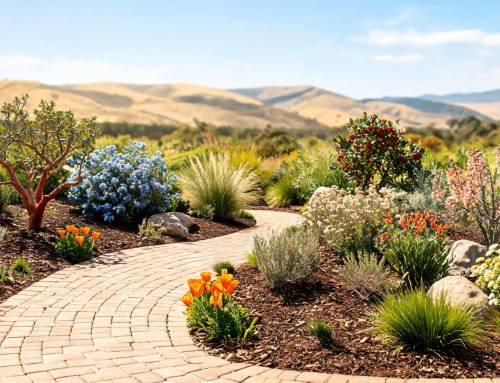
Fall is a good time to prioritize drought-tolerant trees, hardy shrubs, and other plants suited to the Central Valley. Native and Mediterranean-style plant choices can be especially useful because they are often adapted to warm, dry conditions and can support a more water-conscious landscape when placed and maintained correctly.
Plant selection should consider more than appearance. Before installing anything, consider:
- Mature height and width.
- Sun and shade needs.
- Water requirements.
- Soil drainage.
- Distance from structures, fences, and utilities.
- Whether the plant will create unwanted maintenance later.
- How it fits with surrounding plants and irrigation zones.
Choosing correctly at the beginning is far easier than relocating or replacing a plant after it outgrows its space or fails to tolerate the site.
Fall Landscaping Can Improve Curb Appeal
For many homeowners, landscaping is one of the most visible parts of the property. A well-maintained front yard creates a stronger first impression, while a more functional backyard can make everyday outdoor time more enjoyable.
Fall is an effective season to refresh both. New plantings can add structure and color, trimmed or replaced shrubs can improve visual balance, and cleaner bed lines can make the entire property look more cared for. Trees planted now may become valuable shade features in the future, while thoughtful shrubs and groundcovers can soften walls, fences, and hardscape.
The best curb appeal does not come from overcrowding a yard with plants. It comes from balance. A landscape should have enough structure to look intentional, enough open space to avoid clutter, and enough climate-appropriate planting to remain attractive through changing seasons.
A fall landscape update can also help prepare a home for a future sale, although the value is not limited to resale. Better outdoor spaces can make a property more enjoyable for the people who live there now.
Start Before Summer Stress Returns
The biggest advantage of fall landscaping is that it lets homeowners act before the next cycle of extreme heat. Rather than waiting for plants to fail, lawns to thin, or irrigation problems to become urgent, homeowners can use the cooler season to prepare.
A productive fall landscaping project starts with an honest assessment of the property. Look for areas that struggled through summer, inspect irrigation, evaluate plant health, identify drainage issues, and consider what would make the outdoor space more usable. Then make improvements that support both appearance and long-term performance.
Fresno’s climate rewards planning. Trees and shrubs planted in fall can establish roots before summer. Lawns can receive targeted care after a demanding season. Irrigation can be repaired or adjusted while water needs are lower. Problem areas can be redesigned around plants and materials that better match the site.
Fall is not simply the end of the landscaping season. In Fresno, it is one of the best times to build a stronger, more efficient, and more attractive yard for the year ahead. Contact Mike’s Evergreen to start planning a Fresno landscape that is healthier, more resilient, and built for the Central Valley climate.