If you are planning a new landscape in Fresno or Clovis, hardpan soil is one of the first problems to solve. It can limit drainage, restrict root growth, and make even the best plant selections struggle before they have a chance to establish.
Hardpan soil treatment is not just a prep step; it is the foundation of a successful landscape design. Address hardpan early with the right combination of auguring, deep tilling, and soil amendments so plants can grow in healthier conditions from day one.
What Hardpan Soil Is
Hardpan is a dense, compacted soil layer that sits below the surface and resists water movement and root penetration. In the Fresno area, hardpan is especially frustrating because it can create a landscape that looks fine on top while hiding serious drainage problems underneath.
Unlike loose topsoil, hardpan can act almost like a barrier. Water may pool above it instead of soaking deeper into the ground, which can leave roots too wet in some areas and too dry in others. That uneven moisture is one of the biggest reasons new plants fail in Central Valley landscapes.
Why Hardpan Causes Drainage Problems
Drainage problems happen when water cannot move through the soil profile naturally. In a yard with hardpan, irrigation and rainfall may stay trapped in the upper soil layers instead of percolating downward.
This creates several issues for homeowners in Fresno and Clovis:
-
Plant roots may stay waterlogged and become stressed.
-
Soil can dry out unevenly after watering.
-
Lawns and beds may develop soggy patches or standing water.
-
Root systems may remain shallow, which makes plants less drought tolerant.
-
Over time, poor drainage can lead to decline, disease, and plant loss.
For landscape design, drainage is more than a convenience. It affects plant health, irrigation efficiency, and the long-term appearance of the entire yard.
Signs You May Have Hardpan
Many homeowners do not realize they have hardpan until they start planting or installing irrigation. Common signs include water pooling after irrigation, plants that fail to thrive in certain spots, and soil that feels extremely dense or difficult to dig.
You may also notice that roots spread sideways instead of growing downward. In some cases, even after adding compost or fertilizer, plants still perform poorly because the underlying problem is not nutrition; it is soil structure.
If your yard has ever seemed difficult to plant in, hardpan soil treatment may be the missing piece.
How To Plant In Hardpan
Knowing how to plant in hardpan starts with understanding that the soil usually needs more than a shallow hole and a little compost. In many Fresno and Clovis landscapes, the compact layer must be physically broken up so water and roots can move through it.
A proper approach often includes three steps. First, identify the hardpan layer and determine how deep it runs. Second, mechanically loosen or penetrate the soil so roots have a path to grow. Third, improve the surrounding soil so the planting area supports healthy drainage and long-term establishment.
This is why professional Fresno soil prep matters so much. A plant can only succeed if the soil beneath it is ready to support growth.
How to Fix Hardpan
Hardpan soil treatment is part of a broader landscape strategy. Do not treat soil as an afterthought. Instead, prepare the site so the entire planting area works with the selected plants, irrigation system, and overall design.
Auguring
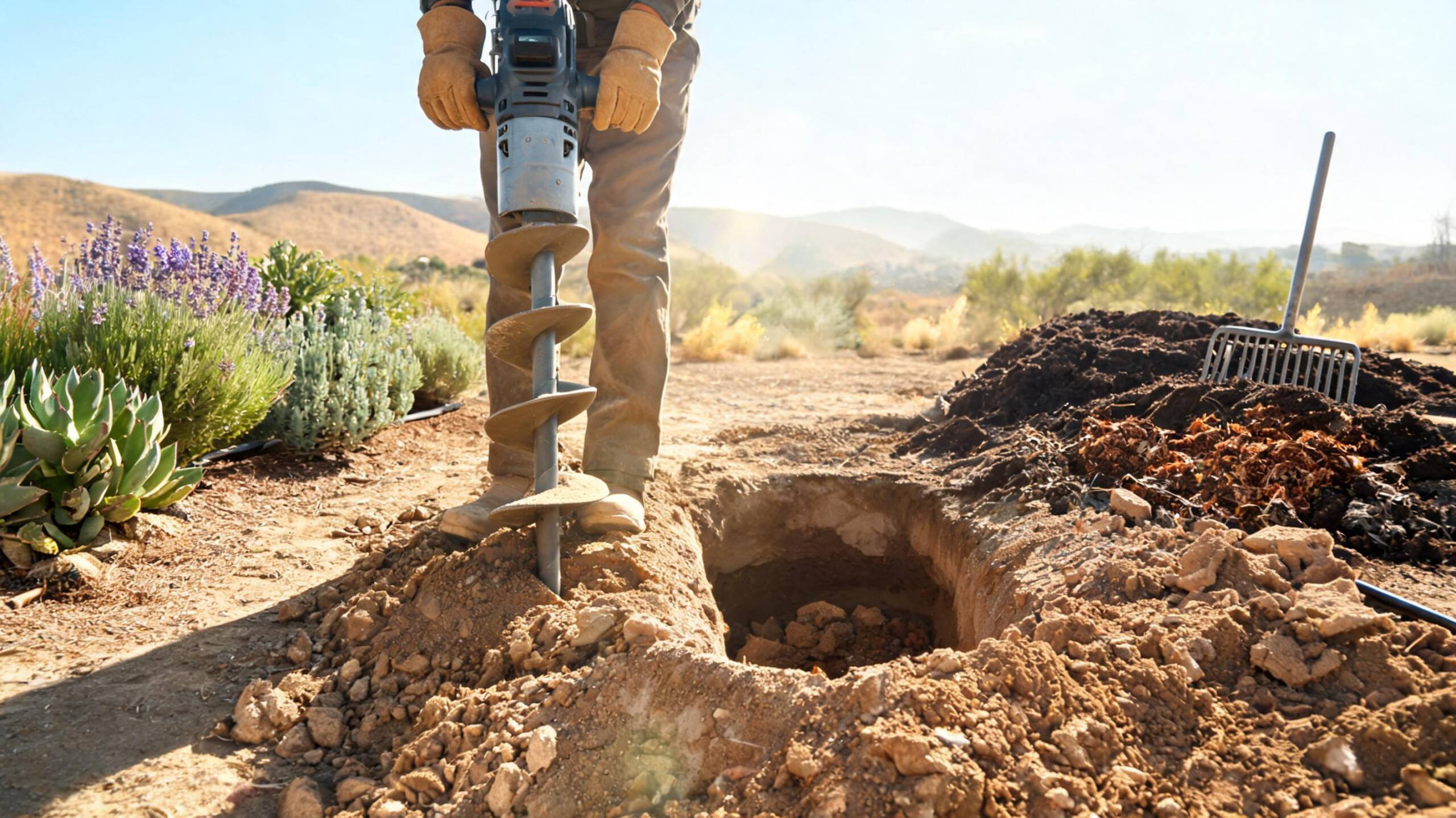
Auguring is often used to break through compacted zones and create deeper channels for roots and water movement. This is especially helpful when planting trees, shrubs, or larger specimens that need more room below the surface.
By opening the soil vertically, auguring helps reduce the barrier effect that hardpan creates. It gives roots a better chance to establish and improves drainage around the planting area.
Deep Tilling
Deep tilling helps loosen compacted soil layers and improve the overall structure of the planting zone. In Fresno soil prep, this step is valuable because it allows air, water, and roots to move more freely through the bed.
Deep tilling is not about churning up the soil for the sake of it. It is about creating usable growing space below the surface so new plantings do not sit in a dense, restrictive layer.
Soil Amendments
Soil amendments help refine the planting environment after the compacted layer has been addressed. Compost and other amendments can improve soil texture, water retention, and nutrient availability.
The goal is not to create a completely different soil type. The goal is to improve the existing soil so it supports healthier root development and better long-term performance. When combined with proper grading and irrigation planning, amendments become a powerful part of hardpan soil treatment.
Why Local Landscape Design Needs Special Prep
Fresno and Clovis landscapes face heat, drought, and challenging soil conditions, so design choices must be practical as well as attractive. A beautiful yard will not stay beautiful if the plants cannot root deeply or if water keeps collecting in the wrong places.
That is why smart landscape design starts underground. Soil prep affects everything above it, including plant spacing, irrigation efficiency, slope management, and the long-term success of turf, shrubs, trees, and groundcovers.
When homeowners invest in proper Fresno soil prep, they create a stronger foundation for native plantings, drought-tolerant designs, and water-wise outdoor spaces.
Best Plants After Hardpan Prep
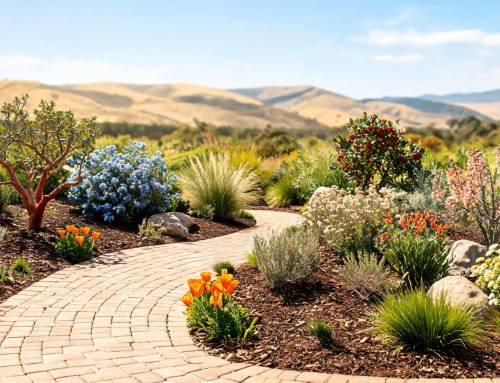
Once the soil is properly prepared, plant selection becomes much easier. In Fresno and Clovis, the best choices are often plants that can handle heat, local conditions, and periodic dryness once established.
Depending on the project, you may incorporate:
-
California native shrubs.
-
Drought-tolerant perennials.
-
Ornamental grasses.
-
Low-water trees.
-
Groundcovers suited to Central Valley conditions.
The key is matching the plants to both the site and the soil preparation method. Even tough plants perform better when the planting area has been correctly loosened and amended.
Hardpan And Irrigation Planning
Irrigation has to work with the soil, not against it. If hardpan remains untreated, sprinkler or drip water may collect above the compact layer instead of spreading evenly through the root zone.
That is why soil prep and irrigation planning should happen together. The layout, emitter placement, plant spacing, and watering schedule all need to reflect the way water moves through the soil after treatment. When both systems are designed as one, the landscape is more efficient and easier to maintain.
Long-Term Benefits
Proper hardpan soil treatment pays off over time. Plants establish faster, need less corrective care, and are better prepared for Fresno’s hot summers. Homeowners also get fewer drainage headaches, less wasted water, and a more stable landscape overall.
A well-prepared site supports healthier roots, which means stronger plants and better visual results. For anyone investing in landscape design in Fresno or Clovis, this is one of the smartest steps you can take before planting begins.
FAQ
What Is Hardpan Soil?
Hardpan soil is a dense, compacted layer that limits water movement and root growth. It is common in many Central Valley landscapes and can cause serious drainage issues if not addressed.
How Do You Treat Hardpan Soil Before Planting?
Hardpan soil treatment usually involves breaking through compacted layers with auguring or deep tilling, then improving the soil with amendments to support drainage and root development.
Can You Plant Directly Into Hardpan?
You can, but it is usually not a good idea. Without Fresno soil prep, roots may struggle to expand and water may pool around the planting area.
Why Is Hardpan a Problem In Fresno And Clovis?
Because local landscapes already deal with heat and drought, poor drainage makes plant stress worse. Hardpan can trap water, limit root growth, and reduce the success of new plantings.
Does Soil Amendment Alone Fix Hardpan?
Not usually. Amendments help improve the planting area, but compacted soil often needs physical loosening first so water and roots can move more freely.
What Plants Do Best After Hardpan Treatment?
Drought-tolerant and California native plants often perform well after proper soil prep, especially when the landscape is designed around Fresno and Clovis climate conditions.
Ready For Better Soil
Hardpan does not have to stand between you and a beautiful landscape. With the right hardpan soil treatment, smart Fresno soil prep, and thoughtful landscape design, your yard can support healthier plants and better drainage for years to come.
Mike’s Evergreen helps homeowners in Fresno and Clovis solve soil problems before they become planting problems. If you are ready to improve your property with professional soil preparation and landscape design, contact Mike’s Evergreen today to schedule a consultation and start your project with a stronger foundation.