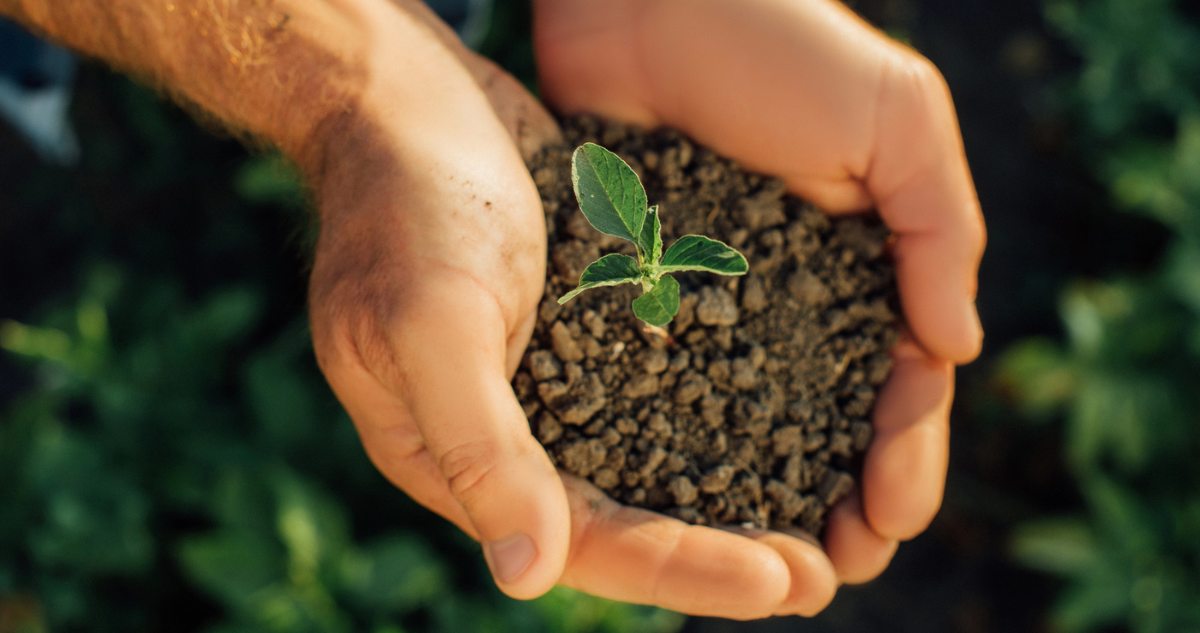
Behind every beautiful Central Valley landscape lies a complex world beneath your feet: the soil. From almond orchards to lush lawns, the Central Valley’s agricultural and landscaping success depends on understanding and managing its diverse soil types. Whether you’re a homeowner or a landscaping professional, recognizing the traits of Central Valley soils is crucial for plant health, water management, and sustainable outdoor spaces.
This guide covers the most important soil types found in California’s Central Valley, explains their implications for landscaping, and highlights strategic ways to build resilient gardens in this region.
Why Soil Types Matter in the Central Valley
Soil is not just a passive ground layer—it’s an active medium that directly influences:
-
Plant selection and success
-
Water retention and drainage
-
Nutrient availability and root growth
The Central Valley is world-renowned for its fertile soils, deep alluvial deposits, and ideal climate, but not all soils here are perfect for every landscaping project. Some hold water too long, while others let it go too quickly; some are nutrient-rich, others need amendments. Knowing your soil is the first step to a thriving landscape in the heart of California.
Major Soil Types of California’s Central Valley
The San Joaquin Soil: The Valley’s Benchmark
The San Joaquin soil is the official state soil of California and covers over 500,000 acres of the Central Valley. This soil is especially important around the southern parts of the valley (San Joaquin Valley).
-
Surface: Brown loam, great for plant roots and nutrient exchange.
-
Subsoil: Upper layers stay loamy, but lower layers become heavy, sticky clay.
-
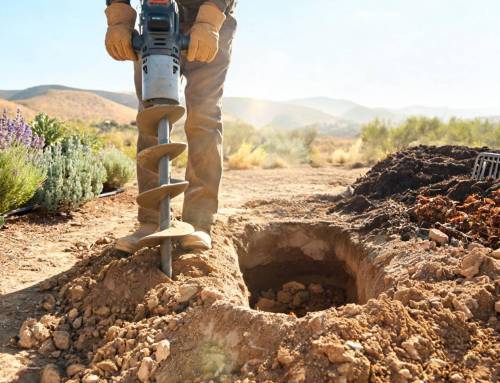
Notable Feature: A hardpan known as “duripan”—a cemented layer beneath the surface—restricts deep rooting and can impede drainage.
-
Landscaping Tip: To grow deep-rooted trees or shrubs, breaking up the hardpan or creating raised beds may be necessary.
Best Uses: San Joaquin soils are fertile for many irrigated crops (almonds, grapes, tomatoes), pasture, and landscaping with deep-rooted and drought-tolerant plants.
Alluvial & Loamy Soils
Much of the Central Valley’s “bottomland” is made of alluvial soils, created over millennia by flooding rivers. These soils:
-
Are usually deep, dark, and very fertile.
-
Have a balanced mix of sand, silt, and clay (loam), supporting a wide variety of plants.
-
Hold moisture well, yet drain adequately if not compacted.
Best for: Most landscape plants, lawns, vegetables, and fruit trees. Loamy soils are the gold standard for healthy landscapes, needing minimal amendment.
Landscaping Tip: Maintain organic matter with compost and regular mulching to keep these soils fertile.
Clay and Clay-Rich Soils
Parts of the Central Valley, especially toward the south, are dominated by clay soils:
-
Dense, heavy, and slow to drain.
-
High in minerals and able to hold nutrients, but prone to compaction and waterlogging.
-
May develop surface crusting or cracks during hot California summers.
Best for: Moisture-loving plants, especially with proper aeration. Rice fields famously thrive in these soils.
Landscaping Tip: Amend with organic matter to improve drainage, and use mulch to moderate drying. In areas with significant clay, consider raised beds for landscape plants that dislike “wet feet.”
Sandy and Gravelly Soils
Some Central Valley locations along old river channels or “fans” (areas where rivers spread out and drop sand) feature sandy soils:
-
Fast-draining and quick-warming in spring.
-
Low in nutrients and prone to rapid drying.
-
Easy to dig but require more frequent irrigation.
Best for: Drought-tolerant native plants, succulents, and Mediterranean-style gardens.
Landscaping Tip: Add compost or other organic amendments to boost moisture and nutrient retention. Mulch helps keep sandy soils from drying too fast.
Silty Soils
Found near the rivers, many Central Valley soils have silt—smooth, powdery particles:
-
Good water retention but may compact and get slippery when wet.
-
Fertile and productive, supporting crops like rice or vegetables with managed irrigation.
Best for: Lawns, annual beds, and water-tolerant shrubs.
Landscaping Tip: Prevent crusting and runoff with mulch and regular organic matter; avoid compacting the soil with heavy foot traffic when wet.
Organic Soils (Peaty Soils)
Rare but present in marshy or delta regions (Sacramento–San Joaquin Delta):
-
Dark, spongy, rich in organic matter.
-
Highly fertile and excellent for specialty crops.
Best for: Moisture-demanding or acid-loving plants. These soils are less common for urban landscaping in most of the Central Valley.
How to Identify Your Central Valley Soil Type
Simple Tests:
-
Feel Test: Moisten a handful of soil; gritty means sand, smooth means silt, sticky/cloddy means clay.
-
Jar Test: Shake soil and water in a clear jar and watch it settle in layers to estimate sand, silt, and clay content.
-
Professional Analysis: Local UC Cooperative Extension offices provide soil testing for precise nutrient, pH, and texture information.
Effects of Soil Types on Landscaping
-
Drainage: Heavy clay soils need amending for lawn and perennial success, while sandy soils need organic matter for water conservation.
-
Irrigation: Loamy soils are ideal, needing less frequent watering. Clay demands careful irrigation to avoid root rot; sandy soils dry quickly.
-
Plant Selection: Native California plants often adapt best, but matching plant needs to soil properties (especially regarding drainage) is pivotal.
-
Erosion: Sandy and silty soils are prone to erosion—plant groundcovers or use mulch on slopes to prevent soil loss.
Improving Central Valley Soils
All soils—even the revered San Joaquin—can be improved:
-
Add organic matter (compost, manure) to increase fertility and structure.
-
Use mulch to conserve moisture and stabilize the surface.
-
Manage drainage for clay soils (through tilling, raised beds, or French drains).
-
Rotate cover crops in winter for home gardens or landscape beds.
Local Knowledge Matters: Mike’s Evergreen & Central Valley Soils
With over 700 soil series in California, even neighboring yards can have different soil challenges. Local landscaping experts like Mike’s Evergreen:
-
Identify your specific soil type and advise on amendments.
-
Recommend regionally adapted landscaping plants.
-
Implement sustainable and water-wise solutions suited to the Central Valley’s unique climate and soils.
Conclusion: Your Landscape, Rooted in Central Valley Soil
The key to a thriving, low-maintenance landscape in California’s Central Valley lies in understanding the ground beneath you. From the iconic San Joaquin series to deep alluvian loam, matching your landscape design to local soil ensures healthier plants, smarter water use, and outdoor spaces that reflect the natural bounty of the region.
For expert help and custom solutions, contact Mike’s Evergreen—where a deep knowledge of Central Valley soils shapes every beautiful landscape.